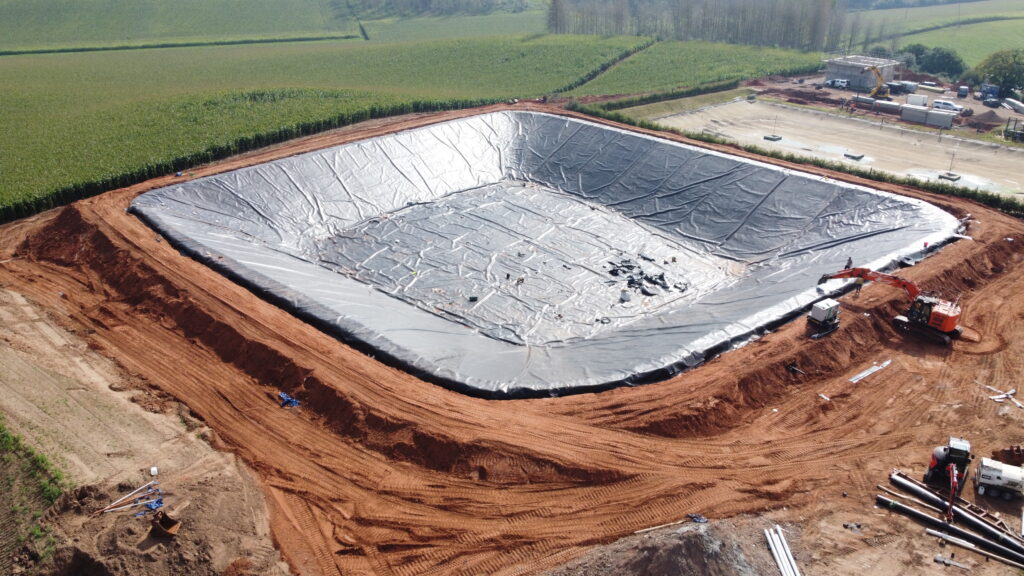
Geotechnical Interpretive Report for an Earth-banked Lagoon
Minerals and Mining

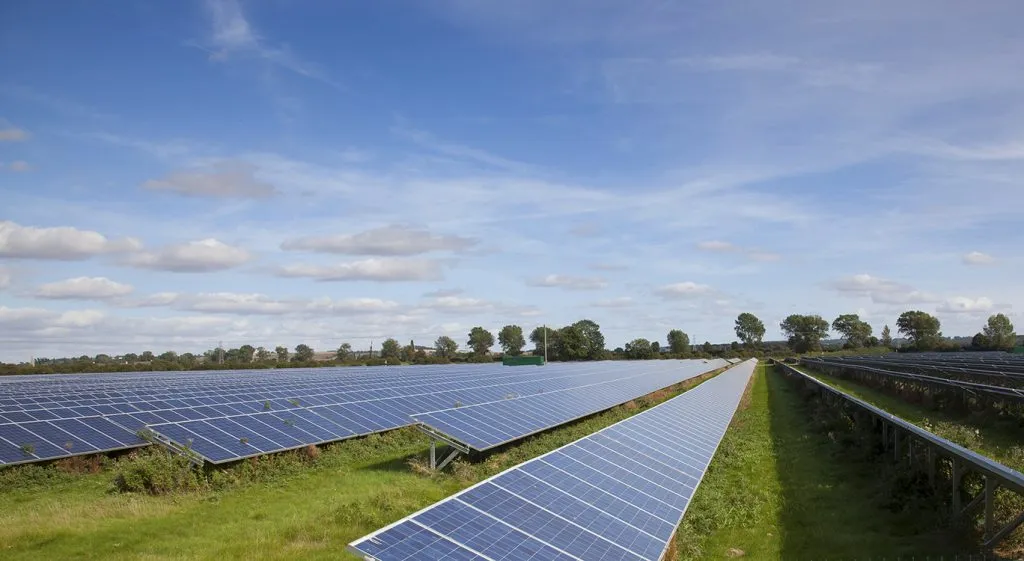
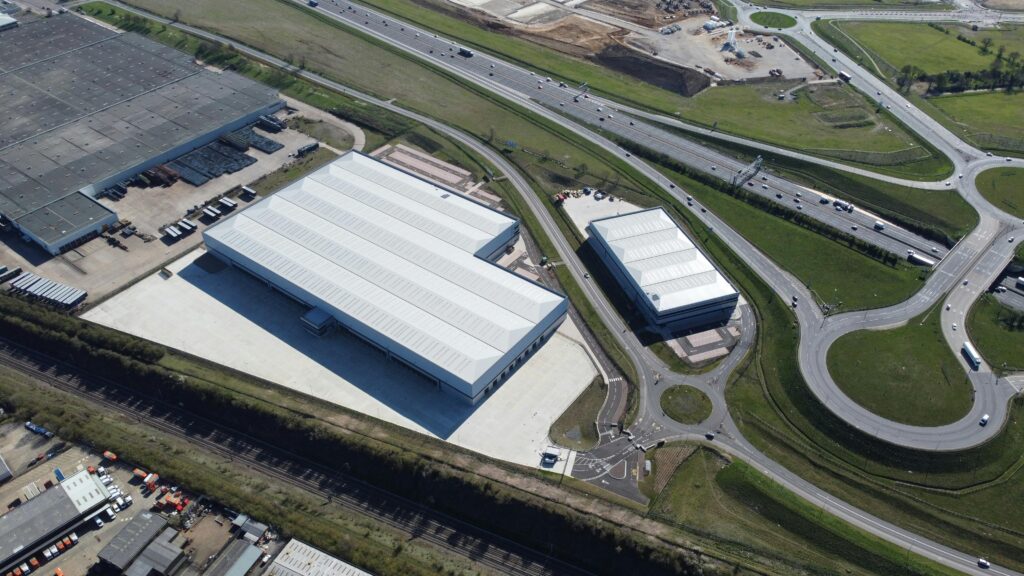
GPCL have been providing support for a client seeking planning permission for a large logistics park in South England. The 160-hectare site will provide warehouse units bringing in 5,000 jobs, and a solar farm to supply over 100MW of renewable energy.
To date, GPCL have produced a Phase 1 Desk Study with Extended Cavities Occurrence Assessment. The underlying chalk bedrock of the region presents high risk karstic hazards.
GPCL have undertaken a comprehensive Environmental Impact Assessment (EIA) for Geology and Contamination in accordance with the Town and Country Planning (Environmental Impact Assessment) Regulations 2017. This ensures that all likely significant environmental effects associated with the proposed development are robustly identified, evaluated and transparently reported.
In addition, GPCL have provided an Environmental Statement (ES) specifically addressing Geology and Contamination to comply with the statutory requirement for EIA developments to submit a detailed report outlining baseline conditions, potential impacts, reasonable alternatives, and appropriate mitigation measures. This supports informed, evidence based decision making by the planning authority and allows for full public and statutory consultation as required under UK EIA guidance.