Geotechnical Interpretive Report for an Earth-banked Lagoon
Minerals and Mining

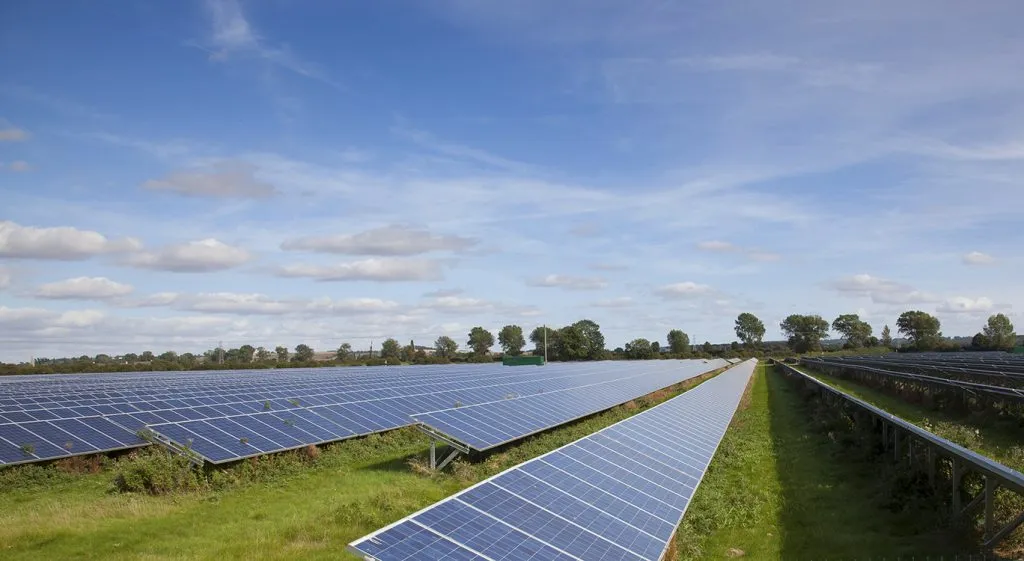
Ground Projects were appointed to carry out a Phase 1 Desk Study and Phase 2 Ground Investigation for a large proposed solar farm in East England.
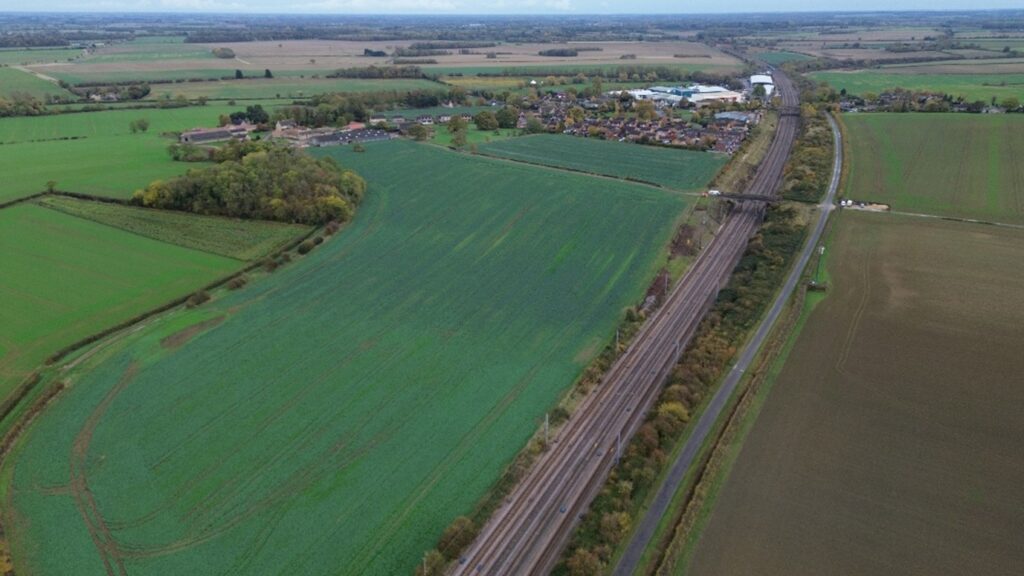
The proposed solar farm covered an area of approximately 1,000 hectares. The initial desk study presented several challenges, including the need to review an extensive volume of historical mapping and assess highly variable geology across the site.
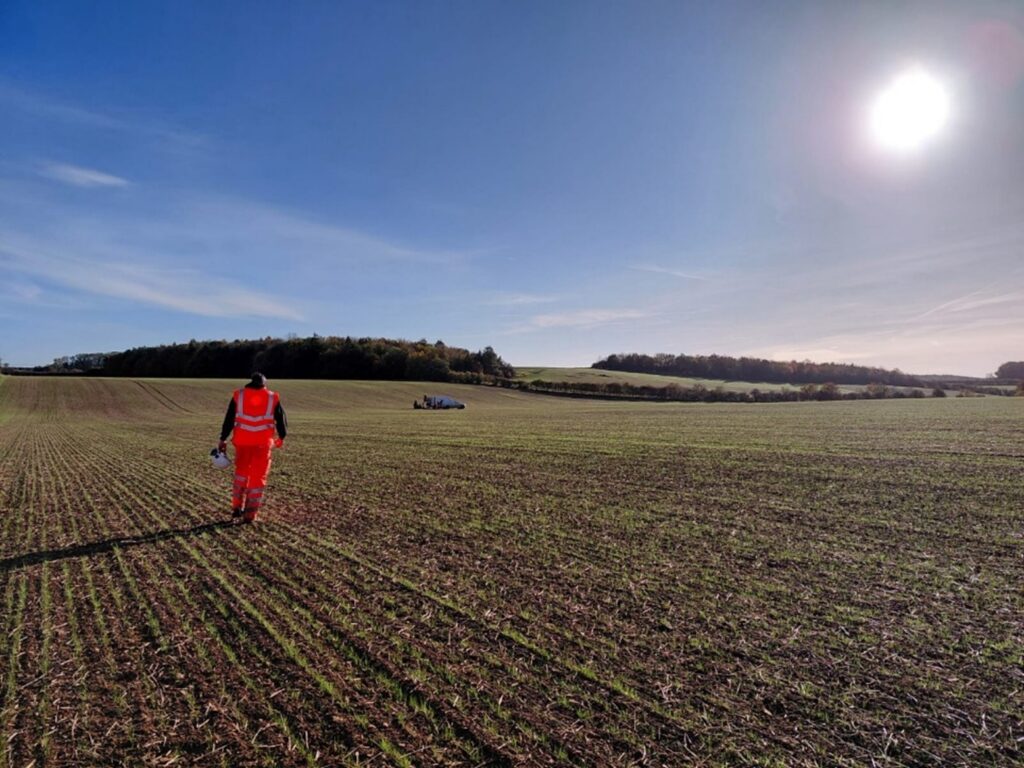
Following the Phase 1 assessment, an intrusive ground investigation was recommended and subsequently instructed by Ground Projects. The investigation was designed to assess potential geotechnical risks to the proposed development, alongside evaluating contamination risks identified during the Phase 1 Desk Study.
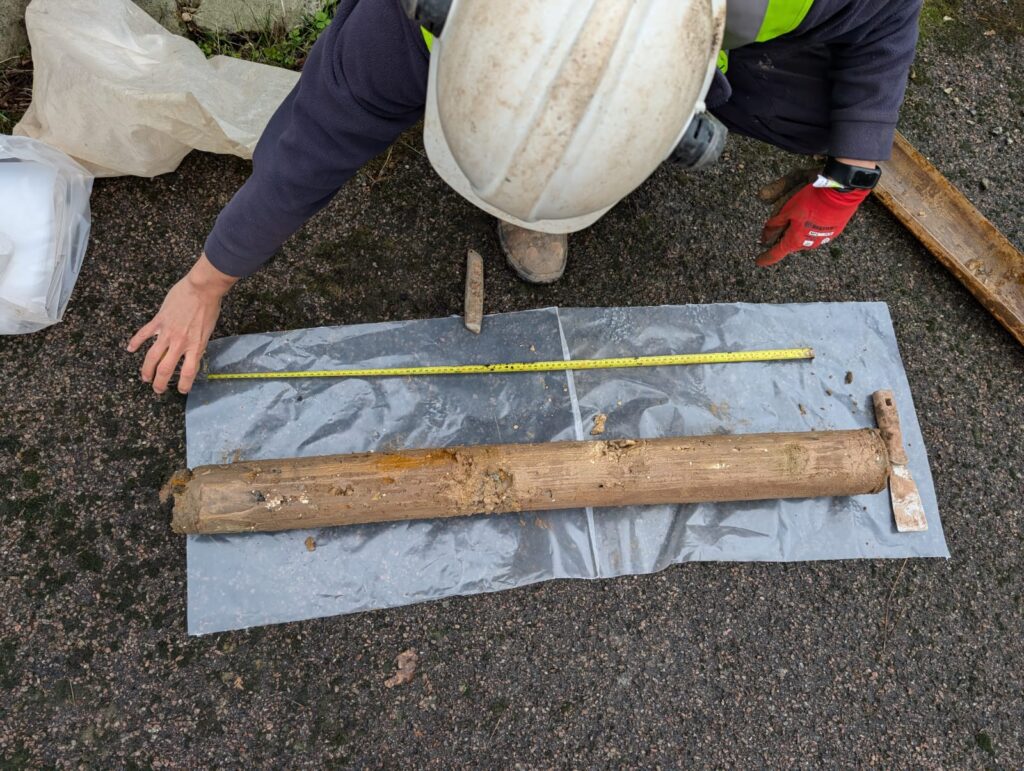
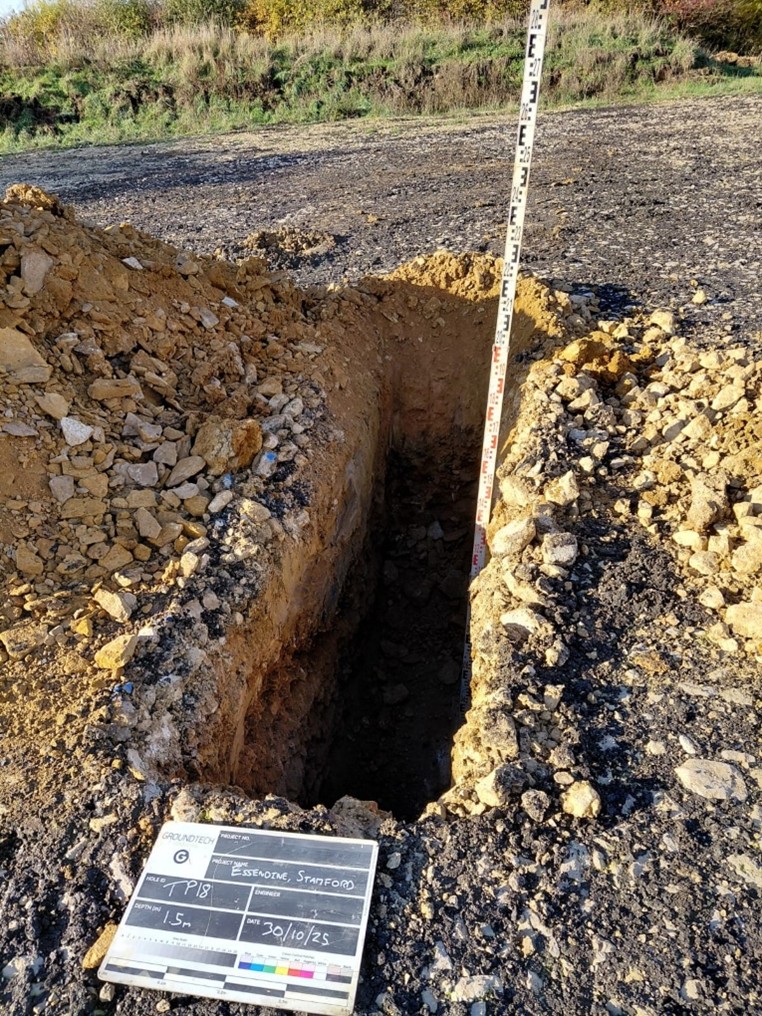
A large-scale ground investigation was delivered on schedule, comprising window sampling, trial pitting, and both in situ and laboratory testing. Dynamic Cone Penetrometer (DCP) testing was undertaken where future site use required strength profiling, and thermal and electrical resistivity testing was completed in key areas to support anticipated electrical based final land use.
Following completion of site works, all data was compiled, analysed, and interpreted, and a Geotechnical Interpretive Report was produced. As part of the interpretation, a suite of QGIS maps were produced to support discussions around further intrusive investigations.
Based on the findings, Ground Projects developed and presented a range of foundation solutions, considering the geotechnical complexities and constraints of the site. Working closely with the client, a preferred solution was agreed.
Ground Projects successfully delivered a comprehensive, timely and specialist project for a large, geotechnically and geologically complex site.